Moving away: rent out the Sacramento house or sell it?
Renting out the old house sounds like the smart, grown-up move. Sometimes it is. But the decision comes down to a few hard numbers: what the place rents for, what it costs to own, how far away you'll be, and a tax clock that starts the day you move out.
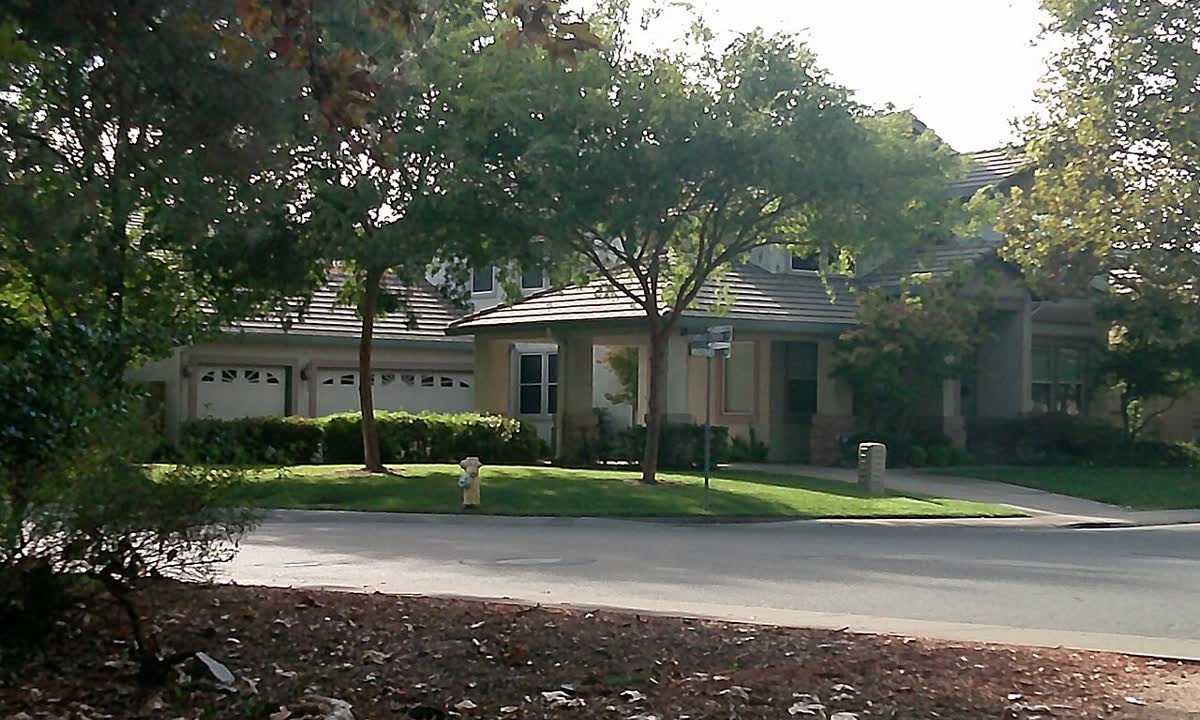
I've helped plenty of people move out of houses they planned to rent. Some still own them and are glad they did. Others called me back two years later to haul out a tenant's leftover couch before the listing photos. The numbers below should tell you which group you're headed for.
What Sacramento rents look like right now
The cleanest public yardstick for local rents is HUD's Fair Market Rent. HUD sets it for the Sacramento-Roseville-Arden-Arcade metro area, which covers Sacramento, Placer and El Dorado counties. Per HUD's FMR page, an FMR is an estimate of the 40th percentile gross rent for a standard-quality unit. Gross means rent plus utilities. 40th percentile means about six in ten of the rents HUD measured came in higher.
The FY2027 numbers took effect October 1, 2026. Sacramento was not on HUD's list of areas that asked for a reevaluation, so these are the current figures.
40th percentile gross rent (rent plus utilities) for the Sacramento-Roseville-Arden-Arcade HUD Metro FMR Area, effective October 1, 2026.
| Unit size | Monthly gross rent |
|---|---|
| Studio | $1,742 |
| 1 bedroom | $1,793 |
| 2 bedrooms | $2,201 |
| 3 bedrooms | $2,887 |
| 4 bedrooms | $3,329 |
Source: HUD USER, FY2027 Fair Market Rents county-level data file.
| Unit size | FY2026 FMR | FY2027 FMR | Change |
|---|---|---|---|
| Studio | $1,748 | $1,742 | -$6 (-0.3%) |
| 1 bedroom | $1,832 | $1,793 | -$39 (-2.1%) |
| 2 bedrooms | $2,255 | $2,201 | -$54 (-2.4%) |
| 3 bedrooms | $3,002 | $2,887 | -$115 (-3.8%) |
| 4 bedrooms | $3,460 | $3,329 | -$131 (-3.8%) |
Every size went down this year, and the bigger units dropped the most. That's worth knowing if your plan assumed rents would keep climbing the way this number did for most of the last decade.
Dollars per month, 40th percentile gross rent. FY2027 is the first year-over-year drop in this span.
Show the numbers
| Fiscal year | 2-bedroom FMR |
|---|---|
| FY15 | 1,012 |
| FY16 | 1,026 |
| FY17 | 1,036 |
| FY18 | 1,086 |
| FY19 | 1,220 |
| FY20 | 1,349 |
| FY21 | 1,495 |
| FY22 | 1,543 |
| FY23 | 1,756 |
| FY24 | 2,072 |
| FY25 | 2,206 |
| FY26 | 2,255 |
| FY27 | 2,201 |
Source: HUD USER, FMR history file, 2-bedroom units 1983-2027.
The two-bedroom FMR went from $1,012 in FY2015 to $2,255 in FY2026, then slipped to $2,201. Still more than double where it started.
Does the rent cover the house?
For most people this table settles it. Here's a worked example for a three-bedroom house renting for $2,800, with the tenant paying utilities. For comparison, the FY2027 three-bedroom FMR is $2,887 with utilities included. One column is an owner who bought recently; the other bought years ago and has a smaller loan and a lower tax bill. All numbers are assumptions. Use yours.
| Monthly (example) | Bought recently | Bought years ago |
|---|---|---|
| Rent collected | $2,800 | $2,800 |
| Mortgage principal and interest | $2,100 | $1,300 |
| Property tax | $400 | $300 |
| Landlord insurance | $175 | $175 |
| Repairs set-aside | $150 | $150 |
| Property manager at 8% of rent | $224 | $224 |
| One month vacant per year, spread out | $233 | $233 |
| Left over each month | -$482 | +$418 |
Same house, same rent, opposite answers. If you're in the left column, you're paying about $5,800 a year for the privilege of being a landlord, and hoping the house gains value faster than that. If you're in the right column, renting can work, as long as the water heater cooperates.
I added the property manager on purpose. If you're moving to Texas, somebody local has to show up when the toilet runs at 2 a.m., and it won't be you.
The three-year clock
One tax rule decides a lot of these. The home sale exclusion in IRS Publication 523 (up to $250,000 of gain, or $500,000 for a married couple filing jointly) requires that you owned and lived in the house for at least 24 months of the 5 years before the sale. Once you move out and rent it, the 24 months you lived there start sliding out of that 5-year window.
So if you lived there at least two years before moving out, you have about three years after move-out to sell and still pass the test. Example: you've lived in the house since 2019 and move out at the end of October 2026. Your last two years of living there run from November 2024 through October 2026. To keep those 24 months inside the 5 years before the sale, you'd need to close by around the end of October 2029. Don't plan on a closing in the last few weeks. Escrows slip.
Publication 523 also says the rental time after you move out doesn't count as "nonqualified use," so it won't shrink your exclusion. Its Taylor example walks through exactly this: lived in it, moved out, rented it, sold inside the window, excluded the gain. Except for one piece.
Depreciation follows you to the closing table
When you rent out your former home, you depreciate the building (not the land) over 27.5 years using the straight-line method. Your starting basis is the lower of your adjusted basis (roughly what you paid plus improvements) or what the house is worth on the day it becomes a rental, according to IRS Publication 527.
Depreciation lowers the tax on your rent each year. Then it comes back when you sell. Publication 523 says you can't exclude the part of your gain equal to depreciation allowed or allowable after May 6, 1997. "Allowable" means it counts even if you never claimed it, so skipping it doesn't help you. That slice is unrecaptured section 1250 gain, and IRS Topic 409 says it's taxed at a maximum 25% rate.
Example: the building part of your basis is $330,000. Divide by 27.5 and that's $12,000 a year. Rent it for three years and you've got roughly $36,000 of depreciation (this ignores the mid-month convention, so the real figure is a bit different). Even inside the three-year window, that $36,000 is taxable when you sell, at up to 25% federal, so up to $9,000. Talk to a tax preparer before the first rental year, not after the sale.
Paperwork a Sacramento landlord can't skip
Inside the City of Sacramento, the Rental Housing Inspection Program requires owners to register each rental property. The city says it's on the owner to register whether or not the city ever mails a packet. Fees effective July 1, 2025 are $25 per unit per year, and $180 per unit for the initial inspection, with more if you miss the appointment or don't fix violations within 30 days. Pass, and you go into a self-certification program where you inspect the unit yourself every year and at each new tenant, and keep the checklists for three years.
The rule that matters most for people moving away: owners who live outside the Sacramento area must name a Local Contact Representative who can attend inspections and answer notices for you. A property manager, a friend, a relative. Line that person up before you leave. Rentals less than five years old, or ones another agency already inspects, can apply for an exemption.
In unincorporated Sacramento County, the county's program also requires registration, and the fee is $16 per unit per year on the county utility bill. Other cities in the county have their own rules, so check with yours.
The deposit limit got smaller in 2024. Under AB 12, deposits collected on or after July 1, 2024 are capped at one month's rent. A small landlord can still take two months if they're a natural person, or an LLC whose members are all natural persons, and own no more than two residential rental properties with no more than four units for rent in total. After the tenant moves out, you have 21 days to return the deposit with an itemized statement of deductions. The California Attorney General's deposit guide lays out both rules. Rent caps under AB 1482, and the city's separate Tenant Protection Program registry, are their own topic, so check both before you sign a lease.
Selling it later, with a tenant or without
If you do rent it and later want out, a couple of things change. California real estate withholding is the big one. The Form 593 instructions exempt a house that was last used as your main home, but say plainly that the exemption doesn't apply if the last use was as a rental. You may still qualify under the regular two-of-five-year principal residence line if you sell inside the window. Outside it, unless another exemption on the form fits, plan on escrow holding back 3 1/3% of the sale price, or a figure based on your gain if you elect the alternative calculation.
Selling with a tenant in place is possible, but it narrows your buyers and showing it takes work. Some owners who are done with it go the cash route. If you want to sell a rental you're tired of managing, 916 Home Offer is one local company that buys houses as-is for cash, and its site explains how the cash offer process runs. As with any offer, compare the net against a regular listing after commissions, repairs and the months it takes.
Before you decide
- Fill in your own version of the rent table. If the last row comes out negative, decide how many years you can carry that.
- Write down your move-out date and add three years. That's your outside date to sell and keep the full exclusion.
- Ask a tax preparer to estimate the depreciation you'd owe tax on if you sell in year two or three.
- Find your Local Contact Representative, or a property manager, before the truck is loaded.
- Register with the city or county as soon as the first tenant signs.
I'll end with the advice I used to give in driveways. If you're keeping the house because you can't stand the idea of selling it, that's a feeling, and feelings are allowed. Just don't confuse it with an investment plan. Run the table first.